
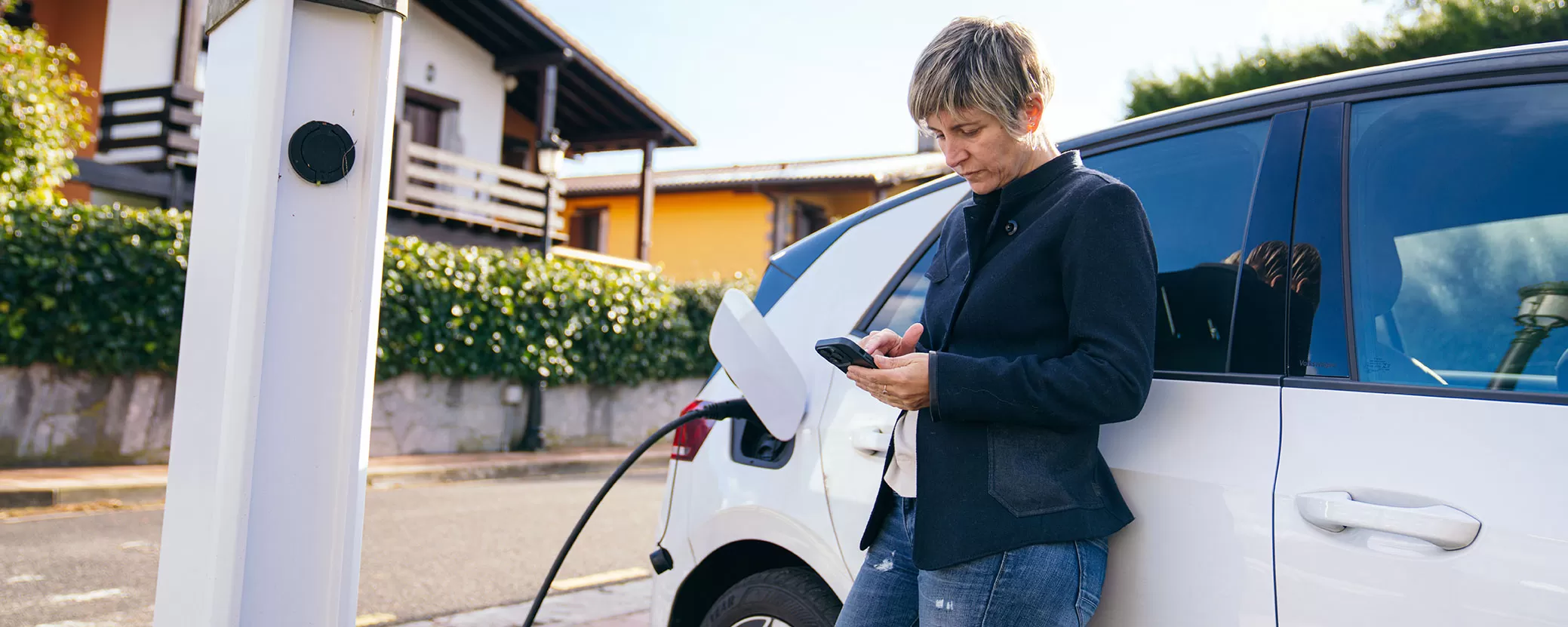
Electric vehicles, commonly known as EVs, continue to grow in popularity across the country. Improvements in technology, a growing network of charging stations, and rising consumer interest have made them a practical choice for many households. Here are some helpful tips to better understand EVs and determine if they’re the right fit for your transportation needs.
Looking beyond the EV sticker price
One of the first questions many buyers ask is whether an electric vehicle is worth the cost. While EVs often carry a higher purchase price than comparable gas-powered vehicles, lower fuel and maintenance costs can help offset the price difference over time.
When evaluating an electric vehicle, consider the full financial picture:
Pros
- Buyers of eligible new electric vehicles may qualify for tax credits offered by their state or local government. In addition, some states and municipalities provide extra incentives, such as rebates, reduced vehicle registration fees, or other EV-related benefits.
- Charging an electric vehicle is often significantly less expensive than purchasing gasoline. Many EV owners spend roughly $1 to $2 per “gallon” compared to fueling a traditional vehicle.
- Electric vehicles typically require less routine maintenance because they have fewer moving parts. Owners generally avoid expenses such as oil changes, spark plug replacements, and many engine-related repairs.
- Strong consumer demand has helped many electric vehicles retain a competitive resale value compared to traditional vehicles.
- As public charging networks continue expanding and battery technology improves, today's electric vehicles often offer driving ranges between 250 and 400 miles per charge, making them practical for many commuters and families. Refer to the U.S. Department of Energy website for a listing of available public chargers.
Cons
- Some EV models can have higher upfront costs, including home charging installation and insurance, due to factors like battery replacement and specialized repairs. However, many EV insurance rates are still comparable to those for traditional vehicles.
- Finding public EV charging options can be challenging, especially in rural areas, and can take longer to charge your vehicle.
- Cold weather climate conditions, like those in Michigan, can at times impact EV battery mile range.
Getting your home ready for EV charging
Electric vehicle chargers are generally categorized into three levels based on how quickly they charge a vehicle. Level 1 chargers use a standard household outlet and provide the slowest charging rate, making them a convenient option for overnight charging. Level 2 chargers use a higher voltage connection and charge vehicles more quickly, making them a popular choice for homes, workplaces, and public locations. Level 3 chargers, often called DC fast chargers, provide the fastest charging speeds and are commonly found along travel routes and at commercial charging stations. The most suitable charging level depends on a driver's vehicle, daily travel needs, and access to charging infrastructure.
Most EV owners choose to install a Level 2 charger at home, which can fully recharge many vehicles overnight. Including equipment and professional installation, homeowners typically spend between $800 and $2,500, although costs can be higher if significant electrical upgrades are required. Keep the following in mind when considering an EV at home:
- Before installing a charger, it's a good idea to have a licensed electrician evaluate your home's electrical system. Some homes may need panel upgrades or additional wiring to safely support Level 2 charging equipment.
- Placement matters when installing a charger. Most owners choose locations inside a garage or near a driveway parking space to make overnight charging as convenient as possible.
- Many utility companies offer lower electricity rates during overnight or off-peak hours. Charging during these periods can further reduce costs.
- Smart charging systems allow owners to schedule charging sessions automatically, track energy consumption, and take advantage of lower utility rates when available.
- While home charging handles most day-to-day driving needs, it's still helpful to identify public charging stations near your workplace, shopping destinations, and frequently traveled routes for longer trips or unexpected charging needs.
Although setting up home charging may involve an upfront investment, many owners find the convenience well worth the expense. Plus, the average EV driver only spends around $50 to $75 per month on electricity.
Financing an EV through MSGCU
Purchasing an electric vehicle is a major financial decision, so it’s important to secure the right financing. Before making a purchase, consider discussing your options with MSGCU.
- Compare MSGCU’s low auto loan rates with dealer financing offers.
- Get a pre-approval before shopping, which can simplify the buying process and strengthen your negotiating power at the dealership.
- Learn more about the low auto insurance rates offered through MSGCU’s partnerships with Members Home and Auto, and TruStage, which can help you to save on your premiums.
- Explore repayment terms that fit comfortably within your monthly budget. MSGCU’s friendly team can help you explore these loan options.
- If you already have an auto loan, ask about our Auto Rate Pledge program. It could reduce your interest rate or monthly payment.
At MSGCU, we provide competitive rates and personalized service, helping members get the most car for their money.
Is an EV right for you?
Electric vehicles continue to evolve as manufacturers improve battery technology, and charging infrastructure is becoming more widespread. By understanding ownership costs, driving habits (such as how frequently you normally drive long distances), preparing for charging requirements, and securing the right financing, you can make a well-informed decision that supports both your lifestyle and your long-term financial well-being.
If you're considering your next vehicle purchase, talk to us. We can help walk you through your options and get you on the road faster. Call, video bank, or make an appointment at any one of our 24 branches to get started.
Category: Vehicle
« Return to "Blog"
You May Also Like

Back-to-school car tips: Exploring your auto options for the busy school year
As your kids get ready to return to school, it’s a good idea to make sure your vehicle is prepared for daily drop-offs, pickups, and busy after-school schedules. Find out how to determine if your car is ready to handle the demands of the upcoming school year.

Where to store Your RV or boat: 7 smart options (and how to choose)
Owning a boat or RV means fun activities are ahead, especially in Michigan’s beautiful summer months. What do you do when they’re not in use, though? It may be more complex than you think! Read our guide for seven smart options for boat and RV storage without breaking the bank.

Get road trip ready: Preparing your ride for a safe and affordable vacation
Preparing your vehicle before leaving home is both safe and financially responsible. With these simple steps, you can get your wheels ready for the miles ahead and stay within a reasonable budget.

Taking auto loans for a spin
Your auto loan payment will affect your monthly budget until it’s paid off. Compare lenders carefully before signing on the dotted line to ensure you’re making a smart financial decision.
Keeping your car covered: What to do to keep your loan from outliving your car
Situations such as thefts, accidents, and wear and tear may make your auto loan last longer than your car. Here are some tips to help so you won’t find yourself with a loan and without a car.

Lease it, love it, own it: Everything you need to know about buying your leased car
If you’ve leased your car the last few years, love your ride, and want to avoid rising auto costs, buying out your lease may be a good option for you.

Hit the water, not your wallet: 8 simple steps to save for a boat
Ready to make waves without sinking your budget? Here are eight simple steps to save up for the boat of your dreams.

Anatomy of a car payment
Learn about the components of your car payment and the additional costs of car ownership.

Know the deal for buying used wheels
Thinking about purchasing a used car? Before you sign on the dotted line, check out our helpful tips to ensure you’re getting the right ride and the right deal for you.

Road Trip for Less
Need a vacation, but don’t want to break the bank? A road trip might be the right blend of adventure and low cost you’re looking for.

5 steps to RV- and boat-buying for an unforgettable spring and summer.
Ready to spring into Michigan’s warm weather activities with a new or used boat, RV or ATV? Check out MSGCU’s 5 steps to RV, boat and powersports buying.

5 ways to save money on a new or used car
With a few smart financial moves, you can save a lot of money on your current vehicle or a new car purchase.
8 questions to ask before taking out an auto loan
Whether you’re buying or refinancing, choosing an auto lender is a big decision. Take your time to find one who will work with you and your financial goals; in other words, do your homework. Read on for 8 key questions to ask lenders before you get (or refinance) an auto loan.