

What is a credit score? Simply put, it’s a number that rates your creditworthiness, or how much of a risk you might be to a lender. Like a test score, the higher the better. Depending on your age and your financial history, you may not have one yet. We’re here to answer your questions so that you can establish a good credit score that will work for, not against you.
What is a good credit score, and why does it matter?
Your credit score is a number that ranges between 300 (poor) and 850 (excellent). Scores of 700 or more are considered good; over 800 is excellent. Potential creditors will check your score when you apply for a loan, a credit card, or to rent an apartment. A creditor is someone you owe money to. If your score is low, you may be charged a higher interest rate on loans or credit cards, or you may be be asked to put down a larger security deposit on an apartment.
An excellent credit score can sometimes get you better terms on a loan or credit card. For instance, a credit card issuer may give you a lower interest rate and a higher credit limit (the maximum amount you can charge on the card). And for larger purchases like a car or even a mortgage down the line, lower interest rates can translate into saving hundreds or even thousands of dollars over the life of a loan.
Why don’t I have a credit score?
If you’ve never had a loan, a credit card, or any other situation where you have owed money, you don’t have enough credit history to have a credit score. Paying friends and family with apps like Venmo or Cash App doesn’t count toward your credit score.
Once you have a credit card or other credit, such as a utility bill, creditors report your payment history and other information to the three major credit bureaus: Experian, TransUnion, and Equifax. This information from your creditors becomes your credit report and is used to calculate your credit score.
Who decides my credit score, and how do they do it?
There are multiple credit scoring methods, including FICO and VantageScore. Over 200 different factors may be considered when calculating a score, so credit scores will never be identical between the models
The most important factors used to determine your credit score are:
- Payment history. Showing you can be trusted to make on-time payments is critical – in fact, it’s the most influential factor in your score. Things like late payments, collections, repossessions, or bankruptcies can negatively impact your score, so do everything you can to stay current with your payments.
- Total credit usage. Owing large amounts can negatively affect your score, and keep tabs on your credit utilization. Credit utilization is the amount of available credit that you’re currently using. For instance, if you have a balance of $250 on a credit card with a $5,000 limit, your credit utilization rate is 5% ($250 divided by $5,000). Experts recommend you keep your rate below 30%. Lower utilization is better if you want an excellent credit score.
- Credit mix. Having a good, varied credit mix can improve your score because it shows lenders that you are responsible. Think about having different types of credit, such as a credit card and a car loan.
- Length of credit history. Starting early with credit and good spending habits will eventually give you a long, excellent credit history. Luckily for teens and twenty-somethings, less emphasis is placed on length of credit history than the first few factors.
Paying down balances is great for your score (remember the less-than-30% rule above), and having a higher amount of available credit shows you have financial flexibility to lenders. While it may be tempting to close a credit card as soon as you pay it off, keep in mind that may have a negative effect – both the history of good payments and the lower credit utilization are good for your credit score. -
New accounts opened. Opening multiple accounts in a short time frame can negatively impact your score. While it’s important to have a good credit mix, don’t do everything all at once.
How do debit and credit cards help my credit score?
While using a debit card won’t directly affect your credit score, starting out with a debit card is a great way to establish good spending habits before you get your first credit card. It’s not as easy to spend more than you can afford, because the money comes directly from your own account. The MSGCU Achieve Student Debit Card has additional features to help you manage and save your money, such as a $200 daily limit on ATM withdrawals and debit transactions, and a “Roll Up the Change” option, which lets you round up purchases to the nearest dollar amount and have the change automatically deposited into your savings account.
Once you’ve established responsible habits like spending only what you can afford, you’ll be ready to use a credit card in a way that will give you the best credit score possible. MSGCU is here to support you with different options like our Classic Visa Credit Card, MSGCU Rewards Visa Credit Card or our Titanium Visa Credit Card.
If you don’t quite feel you’re ready for an adult credit card just yet, another great steppingstone to help learn how to use credit responsibly is MSGCU’s Youth Classic Visa Card, designed specifically for 16- to 17-year-olds. This card helps build credit with MSGCU, which means that small mistakes don’t make it to your permanent credit report.
Once you get your card, use it responsibly. Making several purchases during the month is a great way to build history, but only charge amounts you can afford to pay off completely each month. And always pay on time! When it comes time to buy your first car or get an apartment, these good credit habits will really pay off.
Your credit score follows you throughout your life. Get off on the right foot with credit now, and it will help you for years to come.
Want to learn more about managing your money and establishing good credit?
Sign up for our online workshop, Getting Started with Cash & Credit. Or, come talk to one of the certified financial counselors at every MSGCU branch. They can help you build your credit and a good credit score. You can access your credit score for free when you sign in to Online Banking or in the MSGCU Mobile App (choose Credit Score from the menu).
Category: Finance
« Return to "Blog"
You May Also Like

Small steps, big protection: Getting ready during National Preparedness Month
September is National Preparedness Month. Use our readiness checklist to keep your home and finances protected.

Tips for managing a busy family schedule
Back-to-school season is here, and calendars and to-do lists are filling up fast. Read our tips for keeping your family on track as you plan for the busy time ahead.

From impulse to intentional: Mastering wants vs. needs
Understanding the difference between wants and needs is one of the most important budgeting skills you can develop. And knowing how to distinguish between the two can help you stay on track with your goals. So, before you add that item to your cart, read on to figure out if it’s a want or a need.

9 tips to follow on National Financial Awareness Day
MSGCU helps you get the most out of your money every day.

Read our guide before you refi
Refinancing your home loan can be a smart way to lower your monthly payment, adjust loan terms, or make the most of your home’s equity. Learn what to consider before refinancing to decide if it’s the right move for you.

Grow your graduation money with a CD
Graduating high school or college is a big reason to celebrate. If you’re given monetary gifts for your accomplishment, consider opening a CD to build your savings.

Making “cents” of money: teaching your kids about finances
You may not know where to start when it comes to sharing financial education with your children. We’ve got you covered with these easy steps parents can take to explore money topics with their families.

Unlock your spending potential
From cash back to points you can use on everyday purchases, the MSGCU Rewards Visa card brings real value to your wallet. Learn how you can earn more from your everyday spending. Discover how MSGCU’s Rewards Visa card compares to traditional credit cards and learn how you can maximize your rewards.

A guide to better budgeting
Want to build and stick to a budget but don’t know where to start? MSGCU is here to help. Check out our easy guide to creating a budget that actually works for your lifestyle.

Make your finances sparkle this spring cleaning season
Spring is here which means it’s time to wash your windows and clean out the garden bed. It’s also a perfect time to revisit your budget and accounts to make sure they are tidy. If you need some ideas, check out our 6 tips to help make your finances shine.
Maximize your tax refund with these 9 ideas
It’s tax refund time. Before you decide to splurge it all, consider one of these 9 alternative ways to get the most out of your refund.

You don’t need luck with a Certificate of Deposit from MSGCU
CDs are a great savings opportunity to consider to help your money grow. Read on to learn more about what they are and how they work.

9 Ways to Save On Valentine’s Day
Looking for ways to celebrate your significant other that don’t break the bank? We’ve got you covered with 9 budget-friendly Valentine's Day ideas.

Don’t fumble your finances: Understanding online sportsbooks
Sportsbook apps seem like a fun and easy way to win money. Like any form of gambling, they run the risk of monetary losses that can seriously impact your finances.

Is it time to leave your bank? Here’s how you’ll know.
If your bank doesn’t stand by you, it may be time to switch. Answer these questions to find out if it’s time to bank elsewhere.

The Post-Holiday Budget Recovery Guide
The holidays are in the rearview, and if you’ve gone over budget with your spending, it’s time to deal with the aftermath. Here’s how you can get your budget back on track for the new year and avoid future budget-busting.

Is it time to leave your bank?
Learn to recognize the signs that it is time to move on from your current bank and choose the next one. Plus, three key questions to ask when choosing a new bank.

Buy now, worry later? Understanding buy now, pay later programs.
Buy Now, Pay Later options are popping up at checkout faster than you can say “Add to Cart.” Before you split your payment, unpack what it really means and why it might not be as simple as it sounds.

From paycheck to plan: Mastering the art of a budget
Master your money at any age. Read on to learn how to build a personal budget, set goals, and take control of your financial future.

Your emergency savings account can help you weather life’s storms
Are you one of the millions of Americans who are concerned there’s not enough money in their savings to cover an unexpected expense? September is National Preparedness Month, and it’s an ideal time to start building your emergency savings.

7 Ways to Save on Pet Costs
Our pets bring us immeasurable joy, but the costs can sometimes feel overwhelming. Check out our 7 tips for keeping your pet healthy and happy without breaking the bank.

First-time homebuyer’s checklist
Purchasing your first home can feel intimidating at times. Our checklist provides valuable tips that will ensure you're ready for each step of the buying process.

Getting ready to file your taxes
Here are 8 tips that will ensure you’re ready to file your taxes with ease.

Consolidate and simplify: your guide to debt consolidation
If you feel buried under a mountain of debt, you might consider consolidating debt to get out from under it all. Read on to learn more about debt consolidation options and if it’s right for you.

Make a New Year’s resolution to be fiscally fit
Ready or not, the new year is here. Do you feel financially ready for it? Read on to learn some tips to help start, and keep, financial resolutions.

How to shape up your finances before the holidays
You can make holiday shopping merrier by making these money moves now.

5 reasons why you shouldn’t put off getting a loan
Even though rates have gone up, getting a loan can still be the right move for you depending on your situation. Here are five reasons why.

Saving at the vet: how to keep your furry friends from breaking the bank
If you’re an animal lover, you know that vet bills can be overwhelming. Learn some great ways to lower your costs while still giving your furry friend the best possible care!

The Heart of Your Finances: Your Checking Account
Maybe you’re considering opening a checking account or aren’t even sure if you really need one. The experts at MSGCU say you do and here’s why.

Don’t go mad this March over gambling. Understand the risks of online sportsbooks
Sportsbook apps seem like a fun and easy way to win money. Like any form of gambling, they run the risk of monetary losses that can seriously impact your finances.

New Year Financial Resolutions
The New Year brings new financial goals, yet many of us feel overwhelmed when we start thinking about what we might tackle as a resolution. Here are 6 tips to get you started from the experts at MSGCU.

5 Ways to Increase Your Credit Score
Your credit score is vital to your financial health. An excellent credit score can open the door to large loans and better interest rates, as well as employment opportunities and more.
Discover the best ways to build and maintain an excellent credit score.

Payday Loans: A Serious Problem with A Smart Solution
Payday loans can seem like an easy way out of a financial jam, until you get caught in the spiral of fees. Fortunately, MSGCU has you covered when unexpected needs arise and you’re out of funds until the next pay day.
Is it time to choose a new bank?
Read on for 4 signs it’s time to leave a bank, and 4 questions to ask a new one.

Why CDs are a Great Investment for Younger Savers
For millennial and Gen-Z savers, Certificates of Deposit offer the best of both worlds: high returns & no risk.

A Blueprint for Managing Credit Card Debt
Paying down high-interest rate credit card debt can feel overwhelming sometimes. Check out these tips to help you effectively knock out your debt.

How To Make Certificates of Deposit Work for You and Your Savings Goals
Is building your savings account a priority in your financial goals? Learn more about your options and determine the right choice for you when it comes to savings accounts and certificates of deposit.

What to do before getting your first loan.
You’re considering a big purchase, and you’re going to need a loan to make it happen. Before you take the plunge, take these steps to make sure you’re ready for your first loan.

Six smart financial moves to make when you get your first “real” job.
Your hard work has paid off and you’ve landed your first “real” job. Congratulations! As you embark on your brilliant career, you can make your future even brighter by making these smart financial moves.

Spotted: hidden fees in rates. Here’s what to look for to get the best deal.
A good rate can turn bad quickly when fees and points are included. Read on for a simple tip to spot the best deal when shopping for a mortgage.

Spring clean your finances
Whether you are looking for ways to save or spend wisely this spring, the team at MSGCU has options and advice for you.

How to open a bank account at MSGCU
Ready to manage your own money? Read this blog to learn how to open an MSGCU bank account and make the most of your membership.

Start ahead, stay ahead: 7 must-haves for a better first bank account
Think you’re ready for your first bank account? Read on for 7 must-haves when looking for your financial partner.

Check interest rates today, save tomorrow.
Could your interest rates be lower or are you paying too much in interest rates? Read on to find out more and what to look for.

10 tips to follow on National Financial Awareness Day.
Financial Awareness Day was August 14. Let MSGCU help you get the most from your money with these tips every day.
5 financial habits to start today
Try these five tips, or start with just one, to bring your financial wellbeing to the next level.
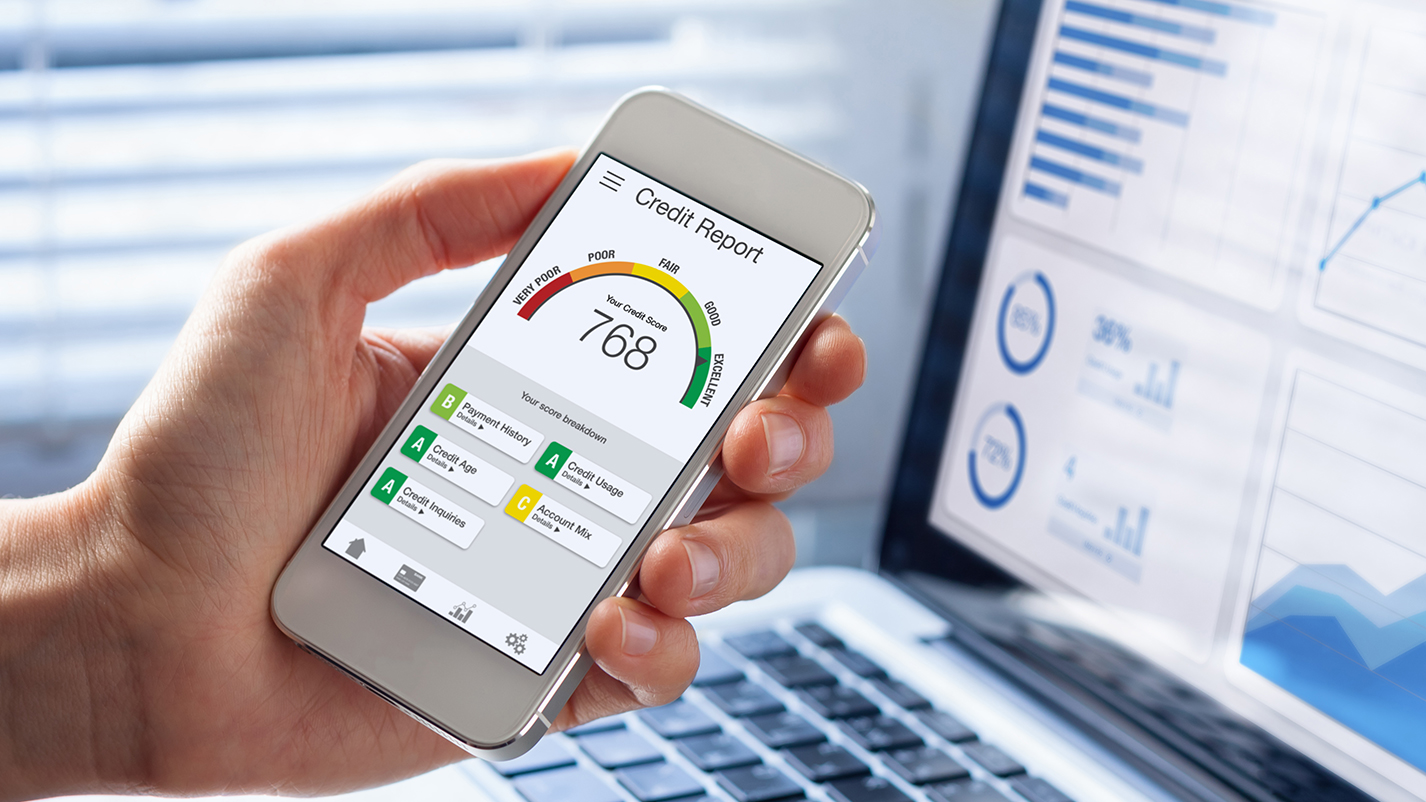
How to win at debt
An important consideration when taking out a loan is whether it might be good debt or bad debt. Not all credit is bad, read on to learn the difference.

Starting your emergency savings fund
It’s never too late to start your emergency fund. Read on for easy tips you can do today to start saving.

Debit or credit: What’s the difference?
Swiping and signing to make a purchase is so easy these days, but do you grab your debit card or credit card? Does it matter? Read on for answers.

Smash your credit card debt
While not all debt is bad, too much can limit the amount of money you can put toward your life goals. Read on for three easy steps so you can use credit to your benefit versus being overwhelmed with payments you can’t afford.

Small savings = big rewards!
Saving money doesn’t have to be daunting. Read on for quick and fun ways to save from MSGCU’s experts.
MSGCU is on the front line of your finances
MSGCU has always been here for its members, even during COVID-19. Learn how we helped members financially impacted by COVID-19.

See you at the drive-thru!
Did you know you can complete the same actions through an MSGCU drive-thru that you can in a branch? The drive-thru is a safe and easy way to complete transactions, and a friendly MSGCU team member is always there to help.
How to make your stimulus check work for you